“How much?” shouldn’t need a 14-message conversation.
Your customer isn’t asking for homework. Give them a useful answer—and ask for the details that actually change the price.

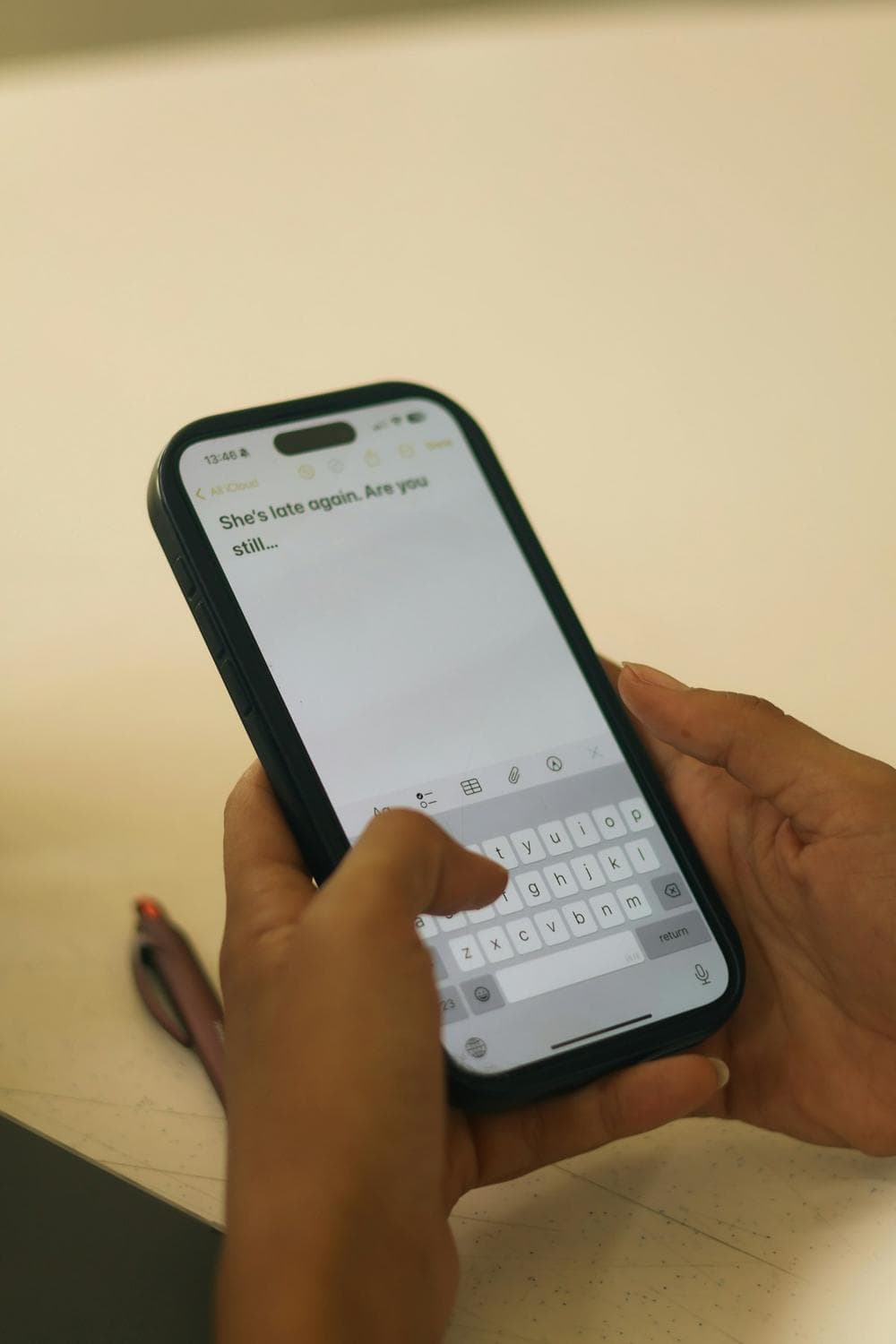
Customer: “How much?” Business: “Hello dear.” And so it begins.
By message six, you’ve established that they want a cake. By message nine, you’ve discovered it’s for tomorrow. By message fourteen, somebody finally mentions the size.
This is an illustrative exchange, but the problem is familiar: the customer thinks they asked one question. You know there are three missing details. Neither of you wants to spend the afternoon in the chat.
The answer isn’t a paragraph explaining how busy you are. It’s a reply that moves the conversation forward without making the customer feel they’ve joined a queue at an office.
Answer something before asking everything.
If you have a genuine fixed package, say what it costs and what it includes. “A six-inch cake starts at [your actual price], with buttercream and a simple inscription” is clearer than “prices vary.”
If the job needs a custom quote, explain which detail changes the price. “For printing, quantity and paper finish affect the total. What size and how many copies?” You’ve given the question a reason.
Don’t advertise a tiny starting price for a version of the service you never sell. It might win a click and lose the conversation.
Save this reply. Replace the brackets first.
Keep the first request short enough to answer from a phone. Ask the important questions now; gather the rest after you know whether the work is a fit.
Thanks for reaching out! [Package] costs [real price] and includes [clear scope].

To confirm the right option, please send:
• [The detail that affects the quote most]
• [Quantity, size or required features]
• [Deadline—and delivery area if relevant]

I’ll confirm the total and timing before we book anything.
Your website can do the first two minutes of the chat.
A clear service page shows examples, a meaningful price or pricing explanation, what’s included, and what to do next. A wall of “innovative solutions” answers none of those questions.
Read the last five genuine enquiries. Which question appeared more than once? Delivery areas, turnaround times and file requirements are often more useful than another decorative section.
Keep your saved reply and the page consistent. If one says two revisions and the other says unlimited, you’ve created tomorrow’s problem today.
The goal is a better chat, not no chat.
Some people need reassurance before paying. Some jobs need discussion. A saved reply should make room for that, not send everyone a cold form and disappear.
Try it for your next five enquiries. If people keep missing one question, rewrite it. You don’t need a complicated system to notice where a conversation gets stuck.
Save one clear reply today. Put the answer to your most repeated question on your service page tomorrow.